Revelation – The Temple and the Two Witnesses
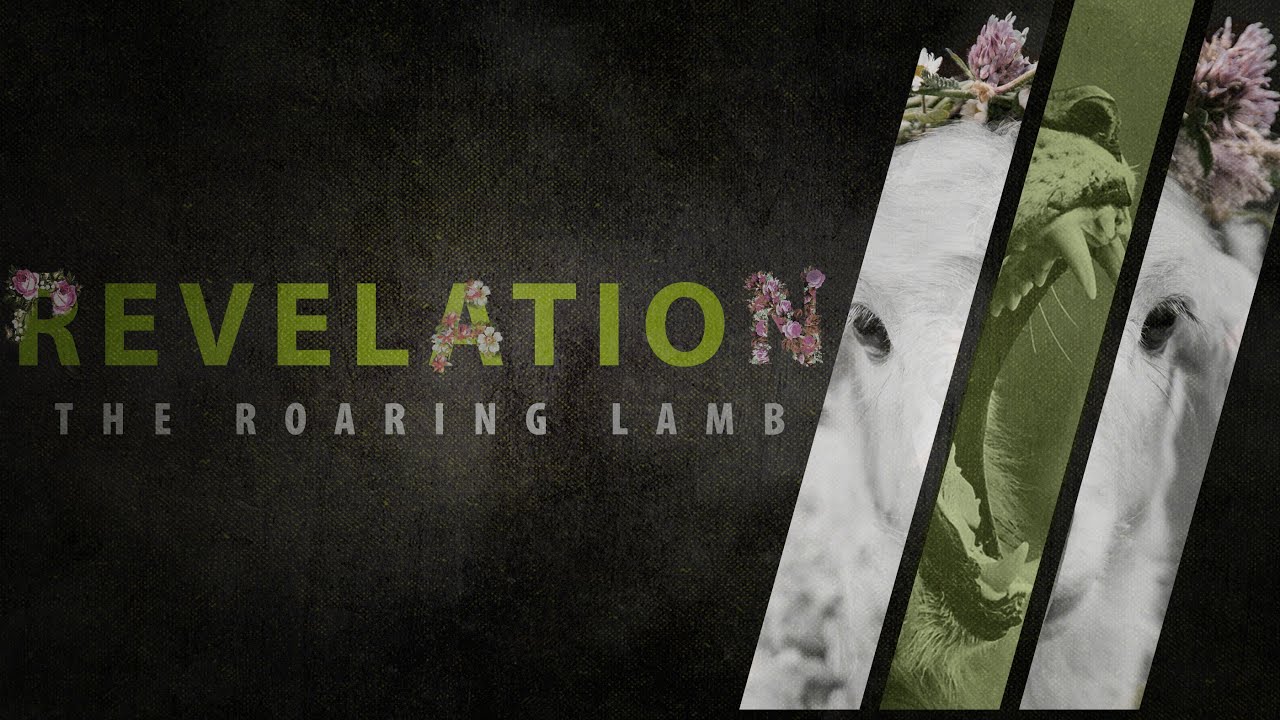
In this Bible teaching from Founded in Truth Fellowship, Matthew Vander Els guides us through a significant passage in the book of Revelation, specifically chapter 11, focusing on the symbolism of the temple and the two witnesses. He emphasizes that Revelation, while containing visions of the future, was also written to encourage first-century believers facing intense persecution and remains relevant for Christians today. The letter uses a genre called apocalyptic literature, which employs symbolic language to reveal the spiritual realities behind earthly events, assuring believers that even in the midst of suffering, Jesus (Yeshua) is still in control.
Vander Els begins by addressing the common human desire for community and a foundation in truth and love, which Founded in Truth Fellowship aims to provide. He highlights the core identity of their community as Bible-loving, Sabbath-celebrating, Hebraic-emphasizing, and diverse, with a central focus on Jesus, whom they call Yeshua. The teaching then delves into the book of Revelation, noting its intention not to merely shock but to inspire and edify. It's described as a theopolitical letter of resistance, exposing the true nature of the world and the empires of the earth, while affirming God's sovereignty.
A key point emphasized is that the original audience of Revelation faced severe hardships: their land being taken, homes stripped away, and loved ones exiled or killed for their faith. The purpose of the letter was to encourage them to understand that these trials were happening for the glory of King Yeshua and to bear witness to His kingdom through their actions and words, sustained by the hope of a safe place with God. Vander Els then poses the question of how believers today should live in light of this hope, suggesting it involves showing others this hope through a life characterized by grace, forgiveness, and endurance, mirroring the character of Christ.
The teaching then focuses on Revelation 11:1-2, where John is instructed to measure the temple of God, the altar, and those who worship there, but to exclude the outer court, which is given to the Gentiles to be trampled for 42 months. Vander Els discusses two main interpretations of this passage. The more popular, often found in dispensational circles and popularized by works like the "Left Behind" series, views this as a future literal temple to be built in Jerusalem before Jesus returns, with the measuring representing God's protection of ethnic Jews worshiping there while Gentiles outside are not protected. However, Vander Els presents an alternative, more symbolic interpretation, suggesting that the temple represents God's spiritual presence protecting believers in every generation, from the time of Jesus' resurrection until his return.
To support this symbolic view, Vander Els examines how the New Testament speaks of the temple. He notes that Jesus himself referred to his body as the temple that would be destroyed and rebuilt in three days. Paul also frequently described believers as the temple of God where the Spirit dwells. Examining the use of the Greek word "naos" for temple in Revelation, Vander Els points out that outside of Revelation 11, it consistently refers to God's spiritual temple, believers, or Jesus. He cites Hebrews, which describes the earthly temple as a figurative representation of the true, heavenly temple. Furthermore, Revelation 21-22 describes the New Jerusalem as not having a physical temple because the Lord God Almighty and the Lamb are its temple. Jesus' promise to the church in Philadelphia, to make the one who conquers a pillar in the temple of God, further supports the idea of believers being part of this spiritual temple.
For more Bible Teachings, click the link.
Application for Everyday Life:
- Embrace your identity as part of God's spiritual temple: Understand that as a believer, you are a dwelling place for God's Spirit and part of a holy community.
- Bear witness to Jesus Christ in the face of hostility: Recognize that true witness often occurs during difficult times and that your response should reflect the hope you have in Christ.
- Live a life characterized by grace, forgiveness, and endurance: Mirror the character of Christ in your daily interactions, showing the world a different way to live.
- Find spiritual protection in your relationship with God: Trust that God is with you and will strengthen you through any suffering or uncertainty you face.
- Use the word of God as your primary weapon: Engage with Scripture and let it guide your words and actions, recognizing its power to bring truth and challenge.
- Focus on what you are for (Christ is King) rather than solely on what you are against: Form your identity in the unshakable truth of Christ's reign.
- Be a temple builder by making disciples: Actively participate in growing God's community by sharing your faith and teaching others.
- Release fear and anxiety, trusting in God's sovereignty: Remember that God is in control, even when circumstances seem overwhelming.
- Draw strength and encouragement from the hope of eternal life: Keep an eternal perspective, knowing that earthly suffering is temporary.
References:
- Revelation 2:10
- Daniel 1:12
- Daniel 1:14
- Acts 2
- John 2:19-21
- 1 Corinthians 3
- 1 Corinthians 6
- 2 Corinthians 6:16
- Hebrews 8:1
- Revelation 22
Books and Resources Mentioned:
- The Bible
- Left Behind series by Tim LaHaye and Jerry B. Jenkins
- The Climax of Prophecy: Interpretations of the Book of Revelation by Richard Bauckham
Links to books are provided for convenience. As an Amazon Associate, Founded in Truth earns from qualifying purchases.
Read the transcript (10,821 words)
Automated transcript, lightly edited for readability. Scripture appears as spoken; the video is the authoritative teaching.
Welcome to Founded in Truth
Do you ever find yourself searching for something bigger than you? For a community to be a part of? A place founded on truth and love. A place to worship the King of Kings, the Lord of Lords, and the Son of God. Welcome to Founded in Truth, where we're more than just a fellowship. We're a family. So welcome home. All right, Shabbat Shalom, everyone. If you're visiting us for the first time today or watching us online, welcome to Founding in Truth. My name is Matthew Vandrells, one of the pastors here, and we are a Bible-loving, Sabbath-celebrating, Hebraic-emphasizing, diverse community whose only desire is to orbit the person of Jesus that we call Yeshua. So welcome to Founding in Truth, everybody. Great to be back this week.
Revelation as a Letter of Resistance
As we continue our trek through the book of Revelation, has it kind of ruined the apocalypse for you yet? Hopefully it's been inspiring and edifying. Last week, I think we got a taste of the intentionality involved with John's crafting of his letter containing the visions that he had. Was it good? It was awesome. Is it convicting? A little bit, yeah. Revelation is a theopolitical letter of resistance, right? And it was written to a specific audience in the first century, as well as for believers throughout every generation. When it was written, it was exposing, through a genre of writing that's not really used anymore—called apocalyptic literature or symbolic narrative—the reality of what is actually happening in the world outside, and although hell on earth is burning through the fields of the lives of human beings, Yeshua's still in control.
Yeshua's still in control. He has overcome. He has ascended into heaven and he sits with authority over creation. And that's kind of the orbit of Revelation. As a result, I think the message was to stop being distracted by the shock and awe campaign of the beast, the empires of the kingdoms of the earth. Stop being distracted as if God is not on his throne.
Living Through Persecution with Purpose
We cry persecution many times. It's very easy for us to get in that mindset here in 2021, but the people this letter was written to were told to have a different response in mind, a different mindset, almost. And as their land was being taken away, as their homes were being stripped from them, as fathers were being exiled and husbands were being exiled to islands far away, or when people were being killed because of their witness of Christ, this letter was to encourage them to embrace that this must be happening for the glory of King Yeshua. So hard for us to digest that. So hard. And that they would gladly bear witness of his kingdom through their actions and through their speech, no matter what is happening outside.
No matter how much the world is in terror or running around like chickens. Why? Well, because they had something called hope. A hope of a safe place in the arms of the Father as we worship and envision in his house and under the altar. So now that John has cleared up that we have no threats worthy of our attention in the world, what are we supposed to do with our lives? We show others the hope that we have through the cruciform character of living out as witnesses of Christ. We live out a lifestyle of grace, a lifestyle of forgiveness. We do it through mercy and we endure just as Yeshua told us to.
And so last week we discovered what that looks like, how repentance in a lost world comes about. It comes through the two lampstands. And so today we're going to continue to submerge ourselves in chapter 11 of Revelation because there's just so much awesomeness in that chapter that John was crafting for us that we need to return to. But we're going to look at the theme of temple in the Bible, specifically in the New Testament, as well as Revelation.
The Question of Fear
And yeah, sometimes despite knowing who our king is, who our God is, who our Savior is, we do live in fear. We do, don't we? And man, that's turned into such a cliche over the past two years, hasn't it? That's just been our go-to slogan for everything that's happened in the past two years. And sometimes it's hard not to be filled with just a bit of uncertainty in times that are foreign or seem very scary. And the older I get—at least this is my experience, but I'm assuming it's the same experience with everyone—the older we get, we tend to be exposed to the reality and sometimes cruelty of this world.
You begin to experience it and be exposed to it the longer you've lived here. Sickness, wars, violence, and just how easy it is to die. And also, the older you get, or at least this has been my experience, and mentors of mine have had this experience too, sometimes it seems you come to a place where you're less fearful of such things impacting you anymore. You just get used to it. But it's more about these things impacting your children, right? Anyone ever get scared of their kids getting sick with something or kids might get in an accident or whatever? There's really not much hope in the world for them to escape such hardships.
You almost feel like you're a turkey the day before Thanksgiving and it's not an if, it's a when. How do we overcome that? How do we even attempt to overcome that? Through persecution and oppression, the churches that the letter of Revelation was first written to likely experienced and thought the same things. We see five out of these seven churches had already compromised in their witness, likely because of these things—fear and uncertainty. That's why I believe Revelation was written to address that.
Hope Amid Persecution
Even Yeshua says persecution is going to take place for believers. To one of the two churches that did not waver in their faithfulness—Smyrna—Yeshua says this in Revelation 2, verse 10. He says, "Do not be afraid. Do not be afraid of what you are about to suffer. It's not an if, it's a when. Do not be afraid for what you're about to suffer. I tell you, the devil will put some of you in prison to test you. If I say test you, and you will suffer persecution for 10 days, be faithful even to the point of death, and I will give you life as your victor's crown." So John uses terminology for the majority of Revelation, if not all of it, that's already found in the Old Testament, right?
And so where we see this phrase, testing for 10 days, we actually see that in Daniel, which I think is pretty neat. And it's from Daniel chapter 1, verses 12 and 14. And you know the situation. They're not going to eat the king's food, right? And in the next verse—I think we have a slide for it—Daniel chapter 1, it says: "And he agreed with them about this and tested them for testing the servants of the Lord." And where did this testing occur in Daniel? In Babylon. So you have the saints of the Lord being tested for 10 days in Babylon. I love that. That's so great. I can't help but to think that John was crafting this according to that.
Just another reminder: the saints have overcome Babylon. We already have examples of this. This isn't new. God will strengthen you. God will give you boldness.
Diving Into Revelation 11
And so, as we discovered last week, Revelation 11 is supposed to be a type of antidote for that type of uncertainty that we all experience from time to time, that anxiousness of what is coming next—how do I prepare myself for what's coming next? How do I live in a way that shows I'm focused on God and not man? And so we're going to dive back into Revelation chapter 11, starting in verse 1. We're going to read the first six verses, and we're going to focus on this area. We're going to pitch a tent, really, in verses 1 and 2. I was given a reed like a measuring rod and told, go and measure the temple of God and the altar with its worshipers.
But exclude the outer court, do not measure it, because it has been given to the Gentiles. They will trample the holy city for 42 months. And I will appoint my two witnesses, and they will prophesy for 1260 days, clothed in sackcloth. They are the two olive trees and the two lampstands, and they stand before the Lord of the earth. If anyone tries to harm them, fire comes out of their mouths and devours their enemies. This is how anyone who wants to harm them must die. They have the power to shut up the heavens so that it will not rain during this time they are prophesying, and they have the power to turn the water into blood and strike the earth with every kind of plague as often as they want.
Now, we did not spend too much time on this section last week because we were more concerned with what was happening to the two witnesses and the connection to the three sets of plagues. But here, I believe this section of Scripture is telling us that, despite persecution, God's presence protects us spiritually. There is security found there. He's not going to leave us. He's not going to abandon us. We have that security in our faithfulness or in our relationship with him. It's guaranteed for the saints. I know this is symbolic narrative, but I think you've taken it too far based on the verses we've just read.
We can spiritualize the two witnesses being all believers everywhere. We can do that pretty easily in Revelation. But what is this? Where do you get that from? And so I'm going to show you my view on this and the view of many others. But there's a ton and a half of different interpretations or ways that people interpret this chapter, and specifically the first two verses about the temple. If you're familiar with dispensational circles, or if you were a Left Behind series fan, you already know. The more popular view that exists, fertilized by the Left Behind series and falling more with a dispensational framework, is that the first two verses here, speaking about the temple, are speaking of a literal temple—a literal temple that will be built sometime in the future right before Yeshua returns.
And it will continue working and existing and operating into eternity, into the millennial and all that. One theory goes on to say that the measuring of the temple and the altar and the worshipers means that God is going to protect ethnic Jews only while they're worshiping in the temple, protecting them while the Gentiles are outside and won't be protected. That was kind of a theory or a view that morphed off the other one, really big in the 90s. And the other view is, as we saw with the rest of the chapter, this is symbolic of God's presence protecting believers, not just at the return of Yeshua, but in every generation—this guarantee that he's always gonna be with us, no matter what persecution or oppression comes about. God's protection from the moment the end time started at his resurrection until the moment that he returns, the overlap, as we've referred to it—the overlap where we find ourselves being these instigators of the new creation while dwelling in the old world.
Just like Peter says in Acts chapter 2, in these last days, God says he will pour out his spirit. He's applying the prophecy of Joel to right then and there at Pentecost when the Holy Spirit was given. In these last days. I love that. That's so beautiful.
Letting Scripture Interpret Scripture
So instead of me building up the sermon and concluding it with the point, I'm just starting with the point, and now we're going to try to take the journey through Scripture to see if we can find anything edifying in this section. So we're going to try to let Scripture interpret Scripture, right? That's good. That hermeneutic specifically works well with Revelation. That strategy is totally true. So yeah. Let's see here. So we have a sense of a temple. We have a temple mentioned. Would it be wise for us to look at how the New Testament speaks about the temple before this building up to John's revelation, just to get an idea?
Okay. So we know there's a literal temple, but something happened. John speaks of Yeshua saying that the temple is going to be destroyed in three days. People are like, how is that going to happen? I mean, it's beautiful. It took a long time to build. And he says, no, I'm gonna rebuild it too. It's my body. It's me. I'm gonna be the temple now. I'm gonna be the place that heaven impacts earth, that God's fullness of his presence actually dwells. Paul seemed to be very enthusiastic about telling believers in 1 Corinthians and 2 Corinthians that they are the temple. In 1 Corinthians 3 and 1 Corinthians 6 and in 2 Corinthians 6.16, you guys are the place where God's spirit is manifest, God's presence is manifest.
You. Okay, Matt, that's Paul. That's Paul. I understand you're taking something from Paul and trying to apply it in Revelation. What's Revelation say about the temple? Well, if we're just wanting to interpolate Revelation with Revelation, this specific word, naos, temple, is used 16 times in total, 15 other times outside of this occurrence in Revelation 11. And every time it is used, it's not referring to a structural building. Every other time in Revelation, it's always referring to God's spiritual temple—believers or Yeshua himself. According to Hebrews, the earthly physical temple was actually the figurative temple.
It was the figurative one. And the heavenly temple was the true temple, right? Because it was just a shadow of the greater manifestation and the greater fulfillment of what God was going to do in the future with himself and his presence to the world. That glorious day with the lamb being revealed as the temple in Revelation and his light engulfs every crevice of the world is—as Revelation testifies at the end in chapter 22. Hebrews 8.1. Yeah, Hebrews 8.1. Now the point of what I'm saying is this: We do have such a high priest who sat down at the right hand of the throne of the majesty in heaven and who serves in the sanctuary, the true tabernacle set up by the Lord, not by mere human beings.
And for those of you who have not done your homework of reading through Revelation, do I need to ask for a raise of hands yet? I asked everybody to read through Revelation in one sitting. You know what chapter 21, 22 says. It says there's not going to be a temple in the New Jerusalem, not going to be one in the future city, the future city of God, because the Lord Almighty and the Lamb are the temple. Revelation 21, 3 says, look now, God's tabernacle is among us. That's great.
Remember what Yeshua said to the church of Philadelphia? In Revelation 3, 12, he was telling them about if one conquers, and he says this: the one who conquers, I will make a pillar in the temple of my God, and he will never go out again. He's setting a precedent here for this term, this usage of temple. And I don't think so—some may disagree, that's fine. But I don't think the reward for conquering as a witness of Yeshua is being turned into a concrete pillar to hold up a physical structure. It would be kind of cool, right? But yeah, I don't think that's what's going on here. Like a righteous revision of Lot's wife. No, they're becoming part of that temple that merges heaven to earth. That's what they're becoming a part of.
The Living Temple
And the cool thing is it's already actually begun, right? It's already begun. In chapter 1, we are introduced to symbols of seven lampstands. And unlike many of the other symbols in Revelation, he tells us what they mean. What do they mean? The seven lampstands are seven churches. The lampstands represent the lampstand that was the menorah that stood in the holy place between God's holy presence and the outside world. That was the place. It stands in the presence of God to shine its light. This is already taking place. He's already referring to the believers as such things. Peter drives that home in 1 Peter 2.
He says, you yourself are living stones that build up the temple of God, not only as yourselves, not only as Yeshua, but even as a community. Why? Because where does God's holiness and glory and spirit dwell? In the community of God. It's kind of neat to put it that way, right? You guys remember the story of Aaron's sons, right? In Leviticus 10, right? Nadab and Abihu. And what happened? They messed up, didn't they? They messed up. They offered strange fire, it says, and God killed them.
Guarding Holiness
And after they make this inappropriate offering that threatens the holiness of the community and God, God clarifies this. He immediately says, my holiness will be proved. You're not going to come in here and encroach or threaten my holiness with what you bring me. It's not going to happen. His holiness is something that he protects at all costs, as well as the holiness of his community.
A very similar story takes place in the New Testament. Acts chapter five and Ananias and Sapphira. Right. They also brought an offering and they, too, were killed by God. Why? Man, now would be a great time for me to do like a teaching lesson. I'm like, man, you need to be tithing the gross of that paycheck and not keeping some back for yourself and only giving the Lord the net, right? Unfortunately for the community of resources, that's not the context of the story of Ananias and Sapphira. Yeah, don't use that as an excuse, but yeah. Both stories are about people who approach God's temple inappropriately and threaten the holiness that lies within it.
I was talking to Russell Freeman. You guys know the Freemans. They're awesome. We were speaking about this just the other week, and he was bringing up a great point. Was it Pompeii that went into the temple and the holiest of holies? There's nothing there. Romans, they took it over. There's nothing here. The place where people get struck dead because the awesomeness of God's glory is just so great that no one can ever go in there except for the high priest once a year. And what's he wear when he does? A white robe. You can only go in there once a year, high priest. No one else can go in there. It threatens their very life.
But the Gentiles walk in there in the first century and they're just messing around. What is this? There's nothing here. This is boring. And they leave. And they leave. Was God's spirit not there anymore? Was his holiness not there anymore? Was his glory not there anymore? But then Ananias and Sapphira encroaching the holiness of God within the community. And the same thing happens to them that happened to Aaron's sons. They're killed. Yeshua and believers make up that place that God's spirit dwells among. And that's a really scary thought. That's a scary thought. The first thing that happens after Ananias and Sapphira's death, the first thing that happens is, as Luke says, now many signs and wonders were regularly done among the people by the hands of the apostles.
More and more believers were added to the Lord, multitudes of men and women. The sick were brought and healed and anyone with unclean spirits was made whole. The strange fire must be purged so that the witness can be displayed and the sick may be healed and the kingdom expanded.
Measuring the Temple
I believe the temple here is symbolic and represents believers. And what is the faithful believing community called in verse, or just three verses later in Revelation 11? The two lampstands.
Lampstands, temple language. Revelation 11, 1. Then I was giving a measuring reed like a rod. With these words, go and measure the temple of God and the altar and count those who worship there. Why is he measuring the altar and those who worship there? So he's talking about the people, not just inside the temple, but he's like, measure the altar and the people that are worshiping there at the altar.
Priests and Sacrifice
If John is consistent with his language of these words in Revelation, then maybe this is a reference back to chapter six with the fifth seal. Under the altar were the souls who were slain because of the witness, the testimony that they maintained. The altar is where believers sacrifice themselves, altar of incense specifically, and they follow the lamb wherever he goes. As he sacrificed himself. Chapter 1 started out telling us that he made us a kingdom of priests or kings and priests to his God and Father. Revelation says that you made them a kingdom of priests to our God. Revelation 26 says that they are priests.
You are priests of God and of Christ. We are priests that serve, sacrifice in the temple of God so that his presence is felt through our shining light. The language is just overwhelming when trying to link believers and Yeshua, because one represents the other, to this temple structure. We are part of that temple in verse 1, serving in it, serving as it. And John is overlaying the symbols here to tell the reality of what it looks like when we actually witness. Romans chapter 12, verse 1 tells us to offer yourselves up as a living sacrifice. That is your service of worship. And what's it say that happens after this?
How do we do that? Paul tells us right after this. He says, do not be conformed to the pattern of the world, but be transformed by the renewing of your mind. Isn't that like the same message John is preaching here in Revelation? If people see more of what the rest of the world looks like when they look at you rather than more of Yeshua, then you are no better off than the unhealthy water at Laodicea that doesn't benefit anyone in any way. And that is especially true during tough or stressful or uncertain or scary times.
The Command to Measure
John is told to go measure. What does that mean? Repetite, measure, measure, and go. What does that represent? Following the theme of the sealing of the 144,000 for their spiritual protection, as well as in Revelation 21, when the angel is called to take a golden reed and measure the holy city of the new Jerusalem, which represents the people of God and new creation, by the way. It has walls, right? I love walls. It has like really, really, really, really big walls. Has 12 gates in the city. How many? 12 gates. 12 gates. And these walls are 12,000 stadia long and wide and high. Everybody say 12,000.
How many gates? And this is 12,000 stadia long measurement, which is like 1,400 miles up, down, all around. It's a cube. And the thickness of these walls are 144 cubits. 144 is what squared? 12. Do we have a pattern? This is great. This is great. The city represents the 12 tribes of Israel, which a few chapters before this, we're told represents all tongues, all tribes, all nations that are innumerable, that bear the witness of Yeshua. This is believers as God's people, right? Who's the bride of Yeshua in Revelation? Some of you did your homework. It's New Jerusalem.
Ezekiel's Vision and the Temple
In Ezekiel chapters 40 through 48, the word measure is used over 50 times. And this is a section where Ezekiel, I believe, has an apocalyptic vision. Ezekiel's ending the same way it started, apocalyptic language. But Ezekiel has this vision of a coming temple of God. It's huge. It's massive. And big walls too. And the city has 12 gates after the guests. We have it right here, Ezekiel chapter 48. There shall be the exits of the city, right? Which is to be 4,500 cubits by measure. Three gates, the gate of Reuben, Judah, Levi, the gates of the city being named after the 12 tribes of Israel. Do you think there's a connection of what's happening here?
Benjamin, Joseph, Dan, Simeon, Issachar, Zebulun, Gad, Asher, Naphtali. The circumference of the city would be 1,800 cubits. And the name of the city from that time on shall be the Lord is there. The Lord is there. God's presence, like in the temple, like in the New Jerusalem, like among believers, like in the community. John has an Old Testament connection for every single thing in Revelation, I believe. So John is told to measure the temple. And the angel at the end of Revelation measures the New Jerusalem. And here the angels measure the temple in Ezekiel's vision. And then Ezekiel 43 is Ezekiel's told to describe the temple, the pattern to Israel.
Do you guys know why? What's the point of Ezekiel going and telling Israel about this temple so that they will be ashamed of their iniquities? And they shall measure the plan. And if they are ashamed of how they have broken covenant, God says to make it known to them from the design and the measurements of the temple that I believe represents the future temple of God, the new Jerusalem, when God is for all in all among his people. Tell them the blueprints of this temple when they become ashamed to give them a hope of repentance. Seems so odd, doesn't it? The blueprints be ashamed? It's a deeper meaning.
The Temple Fulfilled
Just like John's temple in the New Jerusalem, Ezekiel's temple represents the place where God's holiness dwells and protects the people of God spiritually. And we see Ezekiel has this vision a long time ago where so many of the same patterns and elements are similar to the New Jerusalem. And John has revealed this as fulfilled in his vision of the new heavens and new earth. The angel in Revelation 21 is given a reed to measure just like John is. In Revelation 11:1, "Then I was given a measuring rod like a reed. Go and measure the temple." Guys, I don't think this is coincidence is what I'm trying to build up.
I really don't. I think there's a connection between the people of God being in the lampstands, being the priests, being the offerings, the sacrifices, being the pillars of the temple, being the temple, and being the place where God's light shines in the new Jerusalem. I think there's a connection. Many different opinions about Revelation. I'm convinced of this one. That fulfillment, that one day with the consummation of new creation and these new heavens and these new earth and Yeshua's return will bring about both spiritual protection as well as physical protection as stated by John. But the thing is, and I think this is what John is trying to encourage the seven churches with, Ezekiel's temple, the new Jerusalem, all of it starts being fulfilled in this age in the latter days, the overlap.
That's why Paul tells us to be living sacrifices when? Now. That's why Peter says that we are priests when? Now. Paul says that we are the temple when? And we slowly endure the transition from the old world to the glorious collision of heaven and earth in its fulfillment at the end of the age.
The Temple and the Witness
Verse two says, not all of the temple is measured though. Did you catch that? Verse two, but exclude the outer court. Don't measure it. Why? Because it's been given over to the nations, the Gentiles. They will trample the holy city for 42 months. So we have this temple where a divine protection is taking place. Nations can't trample over them once they're inside. It has been handed over to the nations to trample on, but the court has been there, and it says they're going to trample on it for 42 months.
The two witnesses, like we spoke about last week, did they bear witness? Trick question, because it's the two witnesses. Yes, they did. Were they trampled underfoot by the nations, the Gentiles? It says that the beast killed them and every nation and every tribe looked at their dead bodies, pleased by it. If the temple here is spiritual protection, then it would make sense the saints under the altar in this temple were slain already. If that is the case, who is still out in the courts? Where the nations are? Who's still on the battlefield? That's right. Where did Yeshua tell his disciples to go with the Great Commission? All over. Nations. The word Gentile means nations. The place of worship is protected here, but the place where witness takes place isn't. It's not measured. Why? Because true witness always takes place in the face of hostility.
The Temple's Structure
In the Old Testament, the holiest of holies represented the connecting point. Any sci-fi fans? Stargate? Anybody Stargate? Yes, thank you. The holiest of holies was the Stargate to God's throne room. It represented the emulation of God's presence unfiltered in the throne room. And that's how it was perceived. No one can access it. No one can go in there except for the high priest once a year. That's it. Wearing a white robe. The holy place is the place outside of that, beyond the veil, between the holiest of holies and the courts, right? And it seemed, at least in the first century, it seemed to represent the heavens and the stars and the sky.
As if you were moving away from God's throne room out, you have this area that was actually decorated as if it was the cosmos. Josephus says—they have the quotes as a description. Wars of the Jews, I think book five in section, yeah, part two and two and two and four. What's he say? He's describing this area in the first century. And it says, accepting that of the 12 signs representing the living creatures. A Jewish tradition states in the Midrash of Numbers, it says that the menorah represents—why is it seven? This question is asked, why is the menorah seven? And this rabbi gives an example. He says, well, these are the seven lamps corresponding to the seven planetary lights that we see that orbit the earth, the five planets and the sun and the moon.
So the idea is that you have this holy place of God's throne that is beyond the earth and beyond the heavens. And as you move back, you're now in the cosmos with the seven heavenly lights, with the decorated veil. And then as you move back even further, you end up where? In the courts, right? And the courts seem to be interpreted as representing the world, the earth. The altar represented the earth. It was built with uncut stones, right? Rawness, right? The water basin was called the sea, which is what it represented. And in the temple that was later built, the water basin was supported by 12-meter bulls.
And at its brim, it was decorated with lily blooms, tying in animals and plant life. Together, the outer courts and the holy place, with the manure and the curtain, represent the things that we experience, the things that we can see here. And the holiest of holies is beyond that. What's this have to do with anything, Matt? Seems like a rabbit trail. If this was John's understanding—just like in the temple, in the vision, we see a progression happening. From being outside where everyone can gather to entering into the holy place as the lampstand and moving into the holiest of holies one day. Holiest of holies is described in the Torah as a perfect cube, a square, the place where God may be all in all.
A perfect square just like the New Jerusalem where God will be all in all and where Revelation says we will see him face to face. We're still not there yet in the holiest of holies, but Hebrews 9 says that we are represented there through Yeshua, right? We're going there. That's our trajectory.
Our Trajectory
Revelation 22 says that we will stand there face to face with God and it's temple language infused with the New Jerusalem. But how do we get there? Well, we offer ourselves as a sacrifice on the altar in the outer courts through our witness and response to suffering. How long will the suffering take place, though? 42 months. Not that bad. That's what Revelation 11.2 says. But exclude the outer court. Don't measure it. They will trample on the holy city for 42 months. Three and a half years, right? Half a week, right?
The Time of the Overlap
And what's neat is chapter 12, the chapter right after 11 here in Revelation, tells us what these 42 months represent, I believe. And it doesn't seem to be some specific scope of time far away in the future age. It's the time of the overlap. It's the time in which believers live from the moment Yeshua resurrected to the moment he returns. And this is what it says. It says in Revelation 12, starting in verse 5 and 6. We will go over this chapter in more detail. But in John's nativity scene, she gave birth to a son, a male child who will rule all nations with an iron scepter. And her child was snatched up to heaven, to God, and to his throne. He's going to prepare a place. John's nativity here, in this vision, this child is born and he's going to reign as king, right? And he ascends to God's throne. Who's that talking about? A couple of people are very confident in their assertion that, yes, this sounds just like Yeshua. But not so sure over here. Yes, this is the one that will reign as king sitting on God's throne, right? Love that. After his resurrection.
And then the woman for 1,260 days, the woman is protected here for 42 months. 1,260 days is 42 months. How long do the Gentiles trample on the court of the city? It's 42 months. How long do the two witnesses bear their testimony? 1,260 days. How long was the beast given the mouth to speak blasphemies against God? 42 months is when the beast is present and the believers have their witness and that the woman is spiritually protected here. It's the same thing as times, times, and half times that appear both in Revelation and Daniel. And at the end of chapter 12, it actually represents Zion giving birth to the Messiah and the age when the beast persecutes those who keep the commandments of God and hold fast to their testimony of Yeshua. This was taking place. And I don't believe it's a literal three and a half years. Symbolic numbers, just like the rest of Revelation.
Symbolic Numbers
Now here's a great resource. Oh man, you can get so geeked out with numbers. So there's a great resource. I have all of my resources for this message and this series on the YouTube channel, on this video, in the description below with links so you can check out the books. I added one today. It's by Dr. Richard Bauckham, a man guided by the Holy Spirit to devote his life to spreading the gospel through academia and scholarship. And he wrote a book called The Climax of Prophecy where he convincingly shows why certain numbers in Revelation are used for the forces of evil, like 666, and why other numbers are specifically used for the people of God, 12 and 144, and why others are used to represent the time of the overlap, as we journey through this time of birth pangs, which is 42 and 1260, using Pythagorean arithmetic.
He does this. Apparently it was something that was popular in the first century. So way too dense to nerd out on here, but every single number that you see is likely connected to another number that's somehow divisible, to make them both connected, like the 1,244, so on and so forth. Really neat stuff. So yeah, check that out if that's something that interests you. So the courts will be trampled for 42 months, and this is the same story that John has already told us and is continuing to tell us. What we are seeing in this vision in verses one and two, and you can go ahead and throw, I think I have a slide for both one and two there. What we are seeing in this vision is God's presence is among us, with us, protecting us spiritually through our suffering and persecution that we might go through.
Spiritual Protection
Guys, I got some good news. The prosperity gospel is correct. It is. One day with our resurrected bodies, there will be no more disease. Poverty will not affect us any longer. One day.
But John here is identifying the reality that that time is not yet here. It's not yet here. We're not there yet. We're still witnessing. We're still showing the world the hope. We're still going out to all nations. God is still with us as we stand in the face of hostility, as we were told to do. And he promises to protect us spiritually as he brings us to himself in this new heavens and new earth. And that promise of spiritual protection, it kind of sounds like, what does that mean? It's kind of fluff, fluff, right? Spiritual protection. You're going to be emboldened, strengthened. Your spirit will be hardened and God is going to be with you.
That's what that means. There will be comfort that is beyond whatever physical persecution you face or oppression you face. And there will be a source of hope that will be unshakable in the face of hostility. What we do on earth constantly—let me say that again. It's not meant for you. I heard what Nathan Harmon said. Your fruit isn't for you. It's not meant for you. That's what Jesus says. Not on earth. Great movie. Yeah. And in the end, face to face in the most holy place. All of that—I believe it's in these two verses. All that hope, all that reassurance, I believe are explained with the journey of the two witnesses being played out as we read last week.
That's this chapter. That happens after these verses.
Polycarp's Witness
These were likely the verses that gave Polycarp his boldness. Some of you guys don't know about some Polycarp. Polycarp was the leader over the church of Smyrna, right? One of the original readers of this letter. This is when he lived. And he was likely over the church, I'd like to think, at that time when John wrote his letter. Wouldn't that be neat? Wouldn't that be neat? And if John who wrote Revelation is the same John the Apostle, I believe it's unlikely, but it could be. It's debated. That's fine. If that's true and they're the same person, then Polycarp allegedly was his pupil. It's said that Polycarp was a pupil of John the Apostle.
And here's the account of what happened to him. Polycarp was captured and placed in an arena, and the Roman proconsul pushed him to deny Christ. You deny him and you swear to Caesar as curious as Lord. Take the oath, Polycarp, take it. And he responds: For 86 years have I been his servant and he has not done me any wrong. Just stop right there. I've been his servant for 86 years, and not once has he ever done me any wrong. How can I blaspheme my king who has saved me? And when the proconsul yet again pressed him and said, Swear by the fortune of Caesar, he answered, Since you are so vainly urgent that, as you say, I should swear by the fortune of Caesar and pretend not to know who and what I am, hear me declare this with boldness.
In the arena, pro consul, do it, all the people around. What happens in arenas? That's the setting. Hear me as I declare this with boldness. I am a Christian. Now, systematic persecution wasn't happening to believers around this time, right? It wasn't like Nero anymore, but it was still very much so happening around this time, especially if you were outed, right? Especially if you proclaimed it. Then they gotta do something—they gotta make an example. That's what he just did. I am a Christian, and not just to the Roman authorities, publicly. There's no going back now. I am a Christian. And if you wish to learn what the doctrines of Christianity are, appoint me a day and you shall hear them.
Invite me to come preach a sermon. I'll do it. The proconsul then said to him, Hey, I have wild beasts ready to come out. I'll cast them on you unless you repent. But he answered, Call them then. For we—everybody say we. For we are not accustomed to repent of what is good in order to adopt what is evil. And it is well for me to be changed from what is evil to what is righteous. But again, the proconsul said to him, I will cause you to be consumed with fire, seeing you despise the wild beasts if you do not repent. And Polycarp said, You threaten me with fire, which burns for an hour. And after a little while, it's extinguished.
But you're ignorant of the fire of the coming judgment and eternal punishment reserved for the ungodly. But why do you tarry? Bring forth what you will.
Polycarp's Refusal to Deny
The story goes on and testifies that Polycarp. They ended up putting him on a stake and going to nail him to the stake so he couldn't get out. He says, "I'm not going anywhere." So they tied him up like a lamb on the funerary pile, and they lit it on fire. And the testimony goes on to say that he wouldn't burn. Skin wasn't being darkened, and it started to smell like frankincense. What is happening? And then someone came up with a spear and stabbed him, and his blood poured out and extinguished the fire. That's the account. The account ends like this. It says, "Polycarp, for having through patience overcome the unjust governor, proconsul, and thus acquired the crown of immortality, he now with the apostles and all the righteous in heaven, rejoicing, glorifies God, even the Father, and blesses our Lord Jesus Christ, the Savior of our souls."
That was the mentality of the earliest church that read this book. "Gosh, he's already saved me. What are you going to do? Burn me up? Make me hurt? What are you going to do? What can you do to make me lose hope of the guarantee of salvation that my God gives me? Do something. God is powerful."
Polycarp had the perspective of eternity in the arms of Yeshua, just like what Revelation depicts —despite momentary suffering and oppression, despite momentary persecution, he was all in and ready.
Faith Despite Suffering
And sometimes we get so depressed because we find ourselves in circumstances that are hard in life, that don't make sense, but we're called not to allow it to snuff out our faith and witness and hope. Even in times of death and mourning, we're sad. There are things that happen in this world that make us sad. Absolutely. But that is the fertile ground for our hope and commitment to shine. That's the opportunity where you look different. Of course, it's sad, but sadness is backed with the hope of the eternal promise of God. We are witnesses when we choose to endure, just like Yeshua said in Matthew 24, to persevere through trials and tribulations.
And like the fruit of the things you do on earth, your witness is not for you. When we choose to react to calamities or times that happen in our world that are dark, times that are confusing, times that are hard, times when everybody is running around yelling at everyone else because of the situation at hand, when we choose to respond to those situations and events like someone who knows their Redeemer lives and as someone who is comfortable enduring, the world around us takes notice. That we are not in despair like they are. We have to be careful that we're not actively practicing, reacting like the rest of the world, and in doing so, looking just like them, being their witness instead of the witness of the hope and guarantee of our God.
Identity in Christ, Not Opposition
The world tempts us to make our identity all about what we're against, right? And the game is set up like this—it's a beautiful genius game in the most dark and awful way. The world and the beast try to tempt you to make your identity about everything that you're against instead of what you're for. But the kicker is, it's the one that gives you options—the options of what you're against. You ever notice that in the media? Here are your options of what you can be against. That's it. There are no other options. Fall into these two camps or three camps. Usually it's two, whatever it is. This is what your identity is now. And the world erupts as a battle ensues against everyone else who's playing the game.
And we have to be so careful that our identity isn't formed around that, but that our identity is formed in the unshakableness of what we are for. And that is: Christ is King.
Spiritual Protection at the Temple
And here we see protection spiritually at the temple while we endure outside of it. How does He do that? Let's just say that's verse one and two. Let's just say we buy it, okay? It's not a physical temple. It represents the place where believers are protected on the inside, right? They've borne witness and now find themselves in the arms of the Father, under the incense altar there. But outside the courts is everyone who's still sent to the nations being trampled underfoot by the beast, right? And sacrificing themselves on the altar there as witnesses. How does He do that? How does it work? Well, we see right here in verses 3 and 4. "And I will appoint my two witnesses, Revelation 11, 3 and 4. And they will prophesy for 1260 days, same amount of time, clothed in sackcloth. They are the two what? Olive trees. And the two? Lampstands. And they stand before the Lord of the earth."
God's Presence Secures the Witness
God protects us spiritually—never abandoning us and fulfilling His promised hope when we die —so we can be empowered and bold just like Polycarp. So to empower our witness, I am with you always," is what Yeshua says. Our faithful witness and response to God in the face of suffering is itself the witness to the hopeless world which loses hope and becomes fickleminded every time new sensational distractions appear outside. And God is with you in these circumstances—when you are set apart in how you respond to the world and face and endure. Guys, people want to know what that hope is because it's weird. Why do you look different? And it's contagious.
The Two Witnesses
And these two witnesses, as we discussed last week, are who? The two lampstands, right? Out of the seven churches in Revelation 2 and 3, only two of them did not compromise their faithful witness, right? Two lampstands. It's believers of all time, 1260 days, right? The here and not yet, the overlap of the old world and new creation.
These two witnesses are also called the two olive trees, right? And that's a reference from Zechariah 4. And it speaks of two people in Zechariah 3 and 4: Zerubbabel and Joshua the high priest—Yeshua the high priest. And together, these two individuals have returned from Babylon, and they are going to lead the way for guess what?—building the second temple. These are going to be the ones who are leading the way to rebuild the temple of God. Did you get it? I love it. So we know how the two olive trees in Zechariah 4 built the temple, right? It was built with some bricks, and it really wasn't as impressive as the first one, but they did it. They built the temple. That's how those two olive trees did it.
Building God's Temple Through Witness
How did the two olive trees in Revelation 11 build the temple of God? The New Testament defines the temple of God as a community of faithful believers, built through bearing witness— which is exactly what they do in the rest of the chapter. And their enemies either end up turning and glorifying God because of it, or they reject God, but they're given the opportunity. That's how you build the temple of God, by growing. The two olive trees in Zechariah 4 also are about a king and a priest. Zerubbabel was the governor, king over this whole area, if you will. And Joshua was the high priest. I love John's crafting here. The followers of the Lamb are called kings and priests. The kings and priests of the Lamb make up the temple where the spirit of the Lamb dwells. And the temple grows into a city.
The Growing New Jerusalem
And this city, a new Jerusalem, is also depicted in Zechariah 2, but a little bit differently. The new Jerusalem in Zechariah 2 doesn't have any walls, right? Why? Because it overtakes the world. It overtakes all the nations. It overtakes all creatures and all of creation. It encompasses all of creation—all nations, all tribes. It just grows. The new Jerusalem grows because of how many people are in it, cattle, just everything. This is so exciting. This is how we build the temple of God. The new Jerusalem continues to grow. God's presence secures us to be witnesses. In verses 4 and 5, which we reviewed last week, the witnesses are empowered by God, and our witness ends up reflecting that of Moses, attributes of Moses and Elijah, right? And how does it say we're going to kill our enemies that harm us? With fire coming out of our mouths. Love that. Let's read it.
Empowered Witnesses
Revelation 11, 4. Guys, if Revelation applies to us and is relevant to us today as believers, I just find this so encouraging. His Holy Spirit would allow that this book almost didn't make it, by the way, almost didn't make it. I'm so happy, praise God, that it did. Man, some of us are excited about that possibility. I mean, Godzilla movies. Try to hurt me. It's horrible. I don't think this is a literal flamethrower that's going to come out of the witnesses. It certainly hasn't worked for me. Keep trying, though, if that's your view. That's fine. It would be neat from a physics perspective. But what is the symbolism? If we believe this is symbolic, what is the symbolism? And I'm looking at how Paul uses the same terms in Revelation.
The Sword from His Mouth
Wasn't there another time in Revelation, when we read through it, that someone was rushing toward their enemies and something comes out of their mouth to defeat their enemies? Didn't that happen somewhere else? Yeah, it was Revelation 19, 5, when Christ rushes towards his enemies in battle, already covered in blood before the fighting even starts. And a sword proceeds out of his mouth. And through this sword, he defeats the army before him. The sword represents the word of God. I believe it's the same thing here in Revelation 11.
The Only Weapon: God's Word
The word of God comes from the mouth of the witnesses. You can disagree. Symbolic literature, hard to navigate. But I think it makes sense for how the chapter flows and what the end result is. The witnesses defeat their enemies by using the word of God. And this could be in a sense of judgment toward their enemies, or — and this is me — it could also be a means of repentance for their enemies. That is how you defeat your enemies. That is how you kill them, right? That's how Yeshua did it. This is the only way that you as witnesses are allowed to kill your enemies, Oh, this is that part of the message of Yeshua that we don't like in the Sermon on the Mount, the whole thing about how to treat your enemies, right? And that's how you defeat your enemies if they're no longer enemy, right? Hopefully, right? You're not allowed to shoot them with a gun. You're not allowed to hit them with your car. You're not allowed to take no quarter.
You are only given one weapon from Yeshua to defeat your enemies. And that is the word of God and the testimony of his kingship. That's it. That's it. Given the perspective that he's sitting here, gosh, it's just hard, hard. And if we as faithful witnesses allegedly give any perception that we would use anything else according to this to defeat our enemies, presents the world with a false witness of Yeshua, if we're using the terminology of Revelation correctly, as it repeats and means the same thing.
The Power of Two Witnesses
Verse six speaks about the emboldened, secured believers, right? And it also speaks that we have the power to bring down plagues, right? Or two witnesses, I believe are believers, you and me. We have the power to bring down plagues. It's kind of neat, right? Get mad at your neighbor parked in front of your house, turn his water to blood. Frogs coming out your toilet, in your bed, just like Egypt. Turn the power out, dark. We get caught up because when we see plagues, sometimes we believe that these must only be for the last generation because these guys are going to call down plagues. Right? And guys, the thing about Revelation is there's a lot of different ways to approach Revelation with different lenses.
Different Ways to Read Revelation
I really believe that somewhere in the theopolitical view, which is more or less what I'm presenting, is the correct way. But there's lots of other views. One of the views is that Revelation is purely futuristic. I don't want to necessarily mock that view, but some people would say it's like a crystal ball — the things that are taking place in Revelation are only going to happen in the future. And they're all symbolic, which means they can only be deciphered by the last generation when they put it together and they see it going on outside. And it's not even the last generation. It's like the last three and a half years of that generation are kind of how the view holds.
And why that doesn't sit well with me is because if that is true, then that is the only generation, the three and a half years of that generation, that the book of Revelation is relevant and applicable to. It's not applicable or relevant to any other generation, not even the first century, because it's not for them. And the symbolism isn't obviously in their generation. There's nothing they can do with it. And that is hard for me to digest. Maybe we'll get there one day and I'll be wrong. But yeah, so a lot of times we see these plagues and we're like, that's going to be something in the end times.
These two witnesses are going to call down plagues from heaven. It's going to look like Egypt. It's going to look like Elijah.
Plagues for Every Generation
So here's what Revelation ends with. And we're familiar with this verse. It's Revelation 22, 18. And it speaks of plagues happening now. These same plagues happening now. It says this: I warn everyone who hears the words of the prophecy of this scroll, if anyone adds anything to it, God will add to that person the plagues described in this scroll. That's not futuristic. That's every generation. Don't touch it — or the plagues. People who deny the word of God, Revelation tells us they continue to be plagued in their life.
What's Guaranteed to Us
How does this chapter, Revelation 11, help us as believers today? That our physical temples have not been measured or guaranteed in this life. They have not been measured. And suffering is a part of this life. Back to where we started. Suffering and uncertainty are part of this life. And not even persecution and suffering, but life and the world and the things that we experience: death, sadness, tragedy, loss of hope, darkness, and sickness. He is guaranteed to be with us intimately and presently through it all. He has guaranteed us with his spirit. And if we have come to know him, he will be with us always, and his spirit is secured with us.
And that's so hard for us to experience and actually digest the gravity of that statement to the believers that it was given to. But for people in other parts of the world right now, this book gives them so much hope and reassurance because of that. Because they've actually experienced the things that we likely never will. Let's be honest. They find it a guarantee. He has guaranteed us with his spirit. This helps us so that we don't find ourselves paralyzed by fear, but reassured by hope.
Building the Temple of God
Matthew 28, 19. Therefore, go and make disciples of all nations, Gentiles. Baptize them in the name of the Father, the Son, and the Holy Spirit, and teaching them to obey everything I've commanded you. And surely I am with you always to the very end of the age. He has not forsaken us and he is with us even now.
And what's the context of this verse? I'll give you a hint. I believe it's the same context as Revelation 11. It's a disciple building verse. Go out and make disciples, be witnesses, and don't worry, I am with you always. Go out and make disciples? You mean go out and build the temple of God. You're a temple builder. You are the builder of the temple of God, which is the community of God. That's Revelation 11. And as we begin to know his love more and more and more, with our faithfulness and devotion, and are more willing to be consumed by it, even in the face of suffering, we are transformed. Perfect love casts out. Walk each day in that temple looking forward to the day that you will enter into that place face to face.
He's Got the Whole World
So guys, I don't know where you're at today. Maybe you're in a place of fear, uncertainty. Maybe you find yourself holding a weight that the world tells you you have to. And I'm here today to tell you that you don't have to. You don't have to. That there is a God that is with you even now and he's sovereign. His plan is being rolled out and sometimes his plan is for his glory and not our glory. And that should be your relief. We're scared and fearful and anxious and react to try to prepare our future because we believe it's about us. And when in reality, it's about him. Endure, bear witness, and you will be given the crown of life.
A Song of Faith
You can symbolically leave that fear here today, that tightness in your chest because of what is going on in your life, that uncertainty that plagues you. What's that song? He's got the whole world in his hand. Do you know when that song was written? 1927. 1927. Man, whole world in his hand. He's got the wind and the rain. He's got the itty bitty babies. He's got you and me, sister. He's got everybody in his hands. Guys, in 1927, when this song was written, it was not written by a bunch of rich white people who were granted privileges with jobs and housing and an elevated status above others. It was written by the black community amidst generations of oppression and persecution by the beast. It was meant as a spiritual song of faith and a reminder of the message right here in Revelation. He's got the whole world in his hands despite what happens to me, and I will sing that song no matter what.
The Rest That Is Promised
Worship team, you guys can come up as we conclude services. Please stand as we enter into a time of worship. So if you guys find yourself in a place today of temptation to believe that, I invite you to overcome it and leave whatever it is that is plugging you here today. Guys, we have a prayer team that is ready, engaging, and they've been called here specifically for you. They're on either side of the room during worship. And yeah, maybe you are going through a time of pressure and uncertainty today. And maybe it's not fear of persecution or oppression. Maybe it's just a time of darkness that is a birth pang of the world that we live in.
And maybe the temptation is there to always dwell and meditate on that, always having it in the forefront of your mind, always feeling distracted by it to the point where you get frustrated by it. How can I just stop thinking about these things and focus on what I need to be doing and what God has called me to do? As we have a prayer team that is devoted to pray with you today, I invite you to get out of your seat and come up to one of them and ask for prayer and give yourself an opportunity and give yourself permission to not go home today with it, to experience the rest that is promised and guaranteed in Yeshua that is reflected on this day, the Sabbath day. Avinu Malkinu, our Father, our King, Father, we thank you for this opportunity to dive into your word and as we attempt to navigate this hard, dense, but also encouraging and hopeful letter from John. Pray that your Holy Spirit would continue to be with us and that it would do what it's promised to do.
Give us strength, make us bold, give us courage, give us focus, and not lead us into temptation of the evil one that would distract us with the shock and awe in the world. That we would be focused on standing strong and being a source of hope that is only found in you to the rest of the world, that we would witness and attest to your kingship and your reign, and that others would find peace and hope, just like we have. Equip us to be these witnesses, Father, and equip us to shine as the lampstands of your kingdom, as we continue to be temple builders. In Yeshua's name we pray, amen.
Sing the Shema
Sing the Shema. Shema is right. Hear, O Israel, the Lord is our God, the Lord is one. Blessed be His name, of His glorious kingdom for all eternity. We bless you. May the God of patience and encouragement grant you to be like-minded with one another in the manner of Messiah so that together with one voice you glorify the God and Father of our Lord Yeshua, our Messiah. Hallelujah. Shabbat Shalom everyone. I'm Matthew Vanderells and I hope you enjoyed this message. Founded in Truth exists to build a community that bears the image of God and lives the redeemed life only Yeshua gives. If this message impacted you or if this ministry has been a blessing to you, we invite you to take part in making sure the message of Yeshua and the truth of God's word continues to reach others.
Support This Message
To make sure this happens, you can donate through our online giving portal at foundinatruth.com slash give or by texting any amount to 704-275-0752. Don't forget to like and subscribe for new content every single week. And we thank you for your continued support. And we look forward to seeing you next time. Shalom.