What we believe
The biblical feasts.
God gave His people a calendar, not just a rulebook: appointed times that tell a story and build a family. Here’s what they are, and why we still keep them.
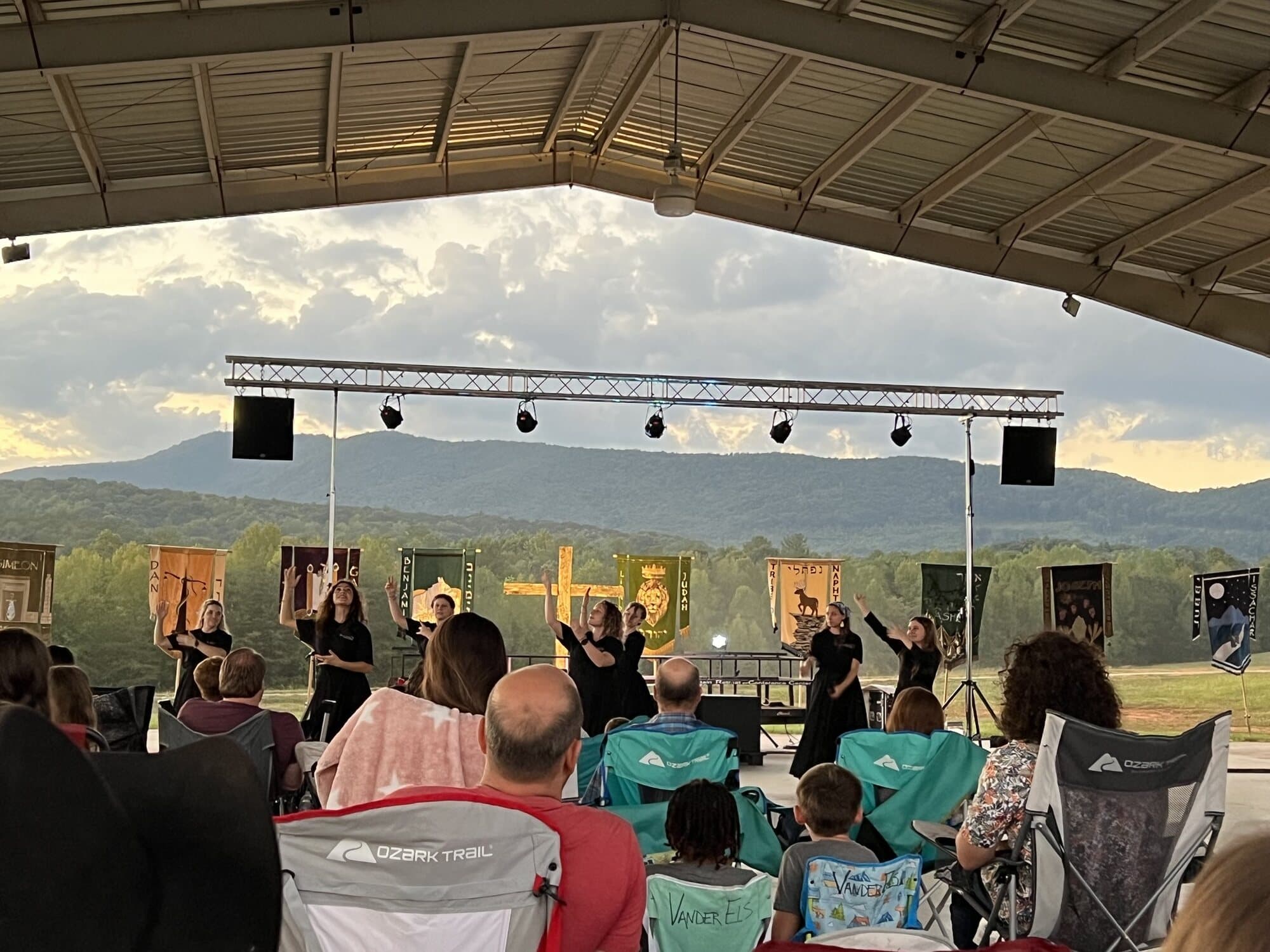
In Leviticus 23, God calls the feasts His “appointed times”, moed, a Hebrew word closer to “scheduled meeting” than “holiday.” They’re not decoration on top of faith. They’re rehearsals of what God has already done, and prophetic pictures of what He’s still doing through Yeshua. (Leviticus 23:1–2)
Rehearsals kept as family memory.
Yeshua (Jesus) kept every one of these feasts. Passover became the meal where He reframed His own death. The disciples were together at Shavuot (Pentecost) when the Spirit came. The feasts aren’t a detour from the Gospel story, they’re the calendar it was written on.
Honest answers
Questions people actually ask
Do Christians have to keep the biblical feasts?
No, the feasts, like the rest of Torah, are invitation, not requirement. Salvation is grace through Yeshua alone. We keep the feasts because they’re rich, not because they’re mandatory.
Why would a church that believes in Jesus keep Old Testament feasts?
Because Yeshua kept them, and because the New Testament writers describe Him fulfilling them, Passover at the cross, Pentecost (Shavuot) at the birth of the Church. Keeping the feasts is one more way of seeing His whole story, not a step backward from it.
Are the feasts just for kids, or a real part of worship?
Both. They’re genuinely worshipful, Scripture read, Yeshua proclaimed, and they’re also a party: food, family, and memory-making that kids carry with them for life.
The next feast is coming.
First time keeping a biblical feast? You’re exactly who it’s for. Come celebrate with us.